

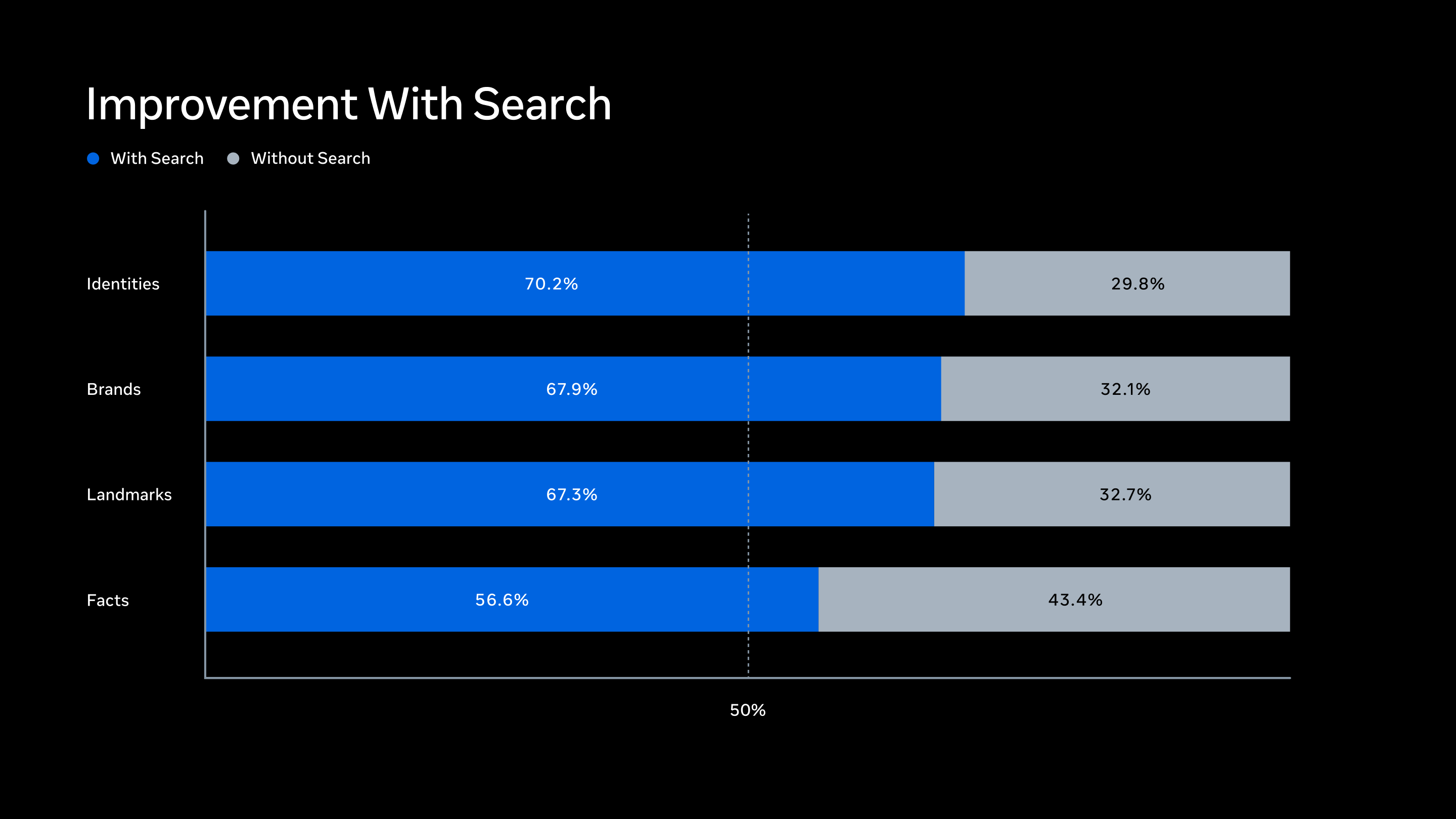
Search-aware generation
Meta's chart highlights stronger factual, brand, landmark, and identity handling when Muse Image can use search-aware generation.
MuseImageAI is not affiliated with, endorsed by, or sponsored by Meta, Facebook, Instagram, or WhatsApp.
Create high-quality AI images from prompts and reference images with MuseImageAI. Generate portraits, posters, product concepts, social visuals, room redesign ideas, and creative edits in a fast single-image workflow.
Muse Image AI is the image generation model Meta announced for Meta AI, meta.ai, Instagram Stories, and WhatsApp experiences. The official release describes a model that can reason over complex instructions, combine reference photos, edit precise areas, use social context, and improve outputs with tool-assisted workflows.
MuseImageAI turns that search demand into a direct creation page: the generator comes first, the workflow is single-image by default, and the supporting sections explain the Muse Image features people are looking for after Meta's announcement.
The official Muse Image announcement focuses on more than pretty pictures: it describes a model built for reasoning over prompts, references, edits, social context, and tool-assisted creative work.
Muse Image is presented as a model that can follow complex prompts, compose multiple visual ideas, and produce cleaner results for detailed creative briefs.
The model is designed around reference-aware creation, including blending multiple photos and using uploaded images to preserve identity, products, rooms, or style.
Meta highlights precise editing workflows where you can change a region, restyle a scene, or sketch directly on an image to guide the next version.
Meta describes Muse Image as part of a more agentic creative system that can use search, code, and self-refinement to plan and improve image outputs.
Muse Image was announced as a creative model for everyday visual work: not just one-off art prompts, but edits, references, social posts, room concepts, and tool-assisted output.
Meta shows suggested presets as a way to help people explore looks quickly, from polished portraits to playful social effects and stylized scenes.
Muse Image is designed for Meta's social surfaces, including personalized images that use friends, profile context, or shared moments where supported.
Official demos highlight room redesign ideas that understand a real space, product context, lighting, and style direction.
The announcement emphasizes stronger image reasoning, including cleaner composition and more useful text or layout-aware visuals for practical creative tasks.
Describe the image you want: subject, style, camera angle, colors, text, layout, and the purpose of the visual.
Upload reference images when you want to preserve a product, match a style, suggest a room, or guide the composition.
Create one image, review the result, download it, then refine the prompt or reference set for the next version.
The best Muse Image AI generator prompts are specific about the subject, purpose, visual style, and output format. Start with one image, then refine.
Design story posts, feed images, thumbnails, and campaign visuals for Instagram, TikTok, YouTube, X, and newsletters.
Create campaign concepts, packaging shots, product scenes, or ecommerce visuals from a short brief and optional reference photos.
Generate avatar directions, polished portraits, character concepts, and profile visuals with clear control over mood and composition.
Use prompt and reference-based iteration to explore photo transformations, background ideas, restyles, and visual changes before moving into final production.
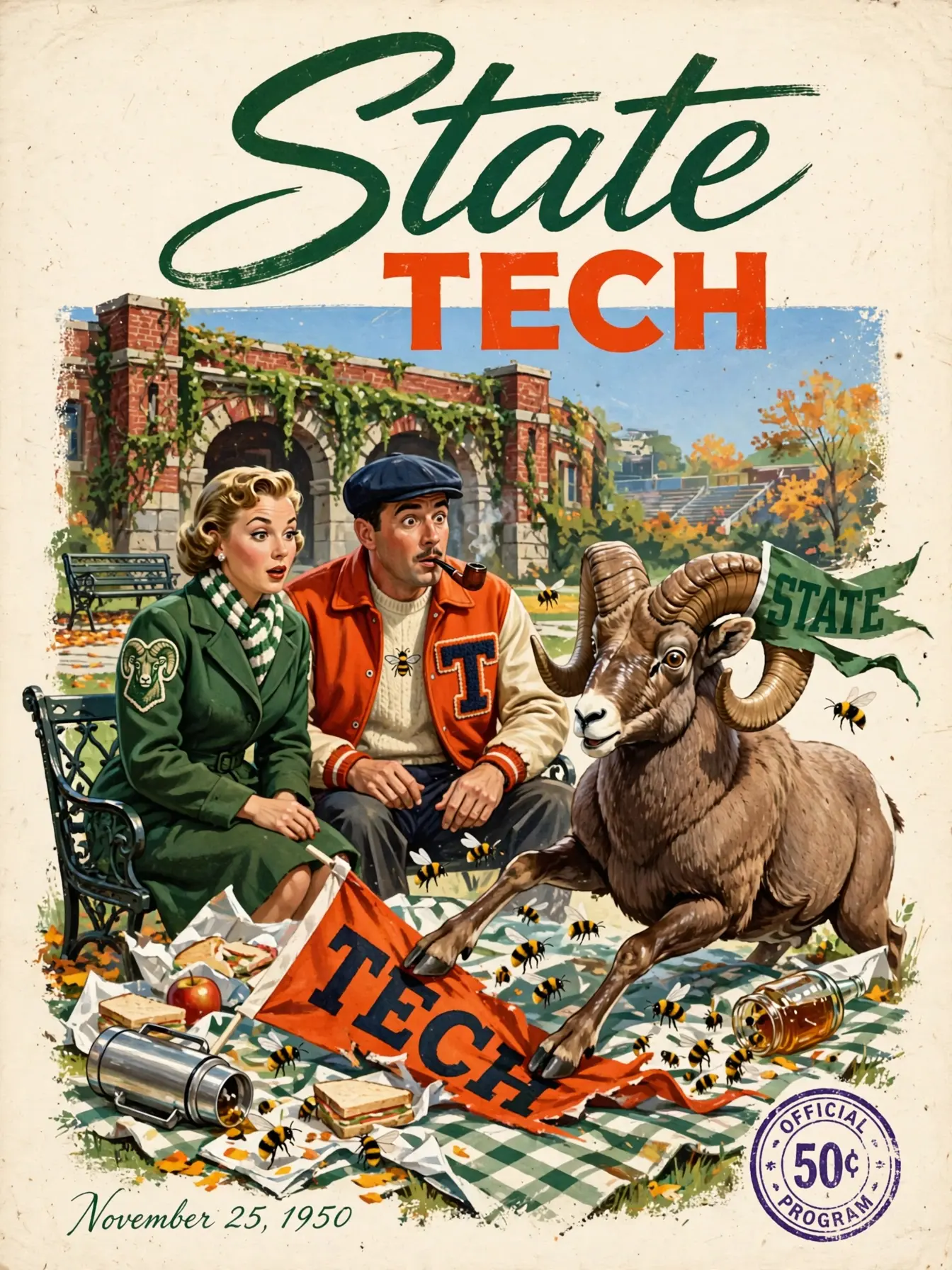
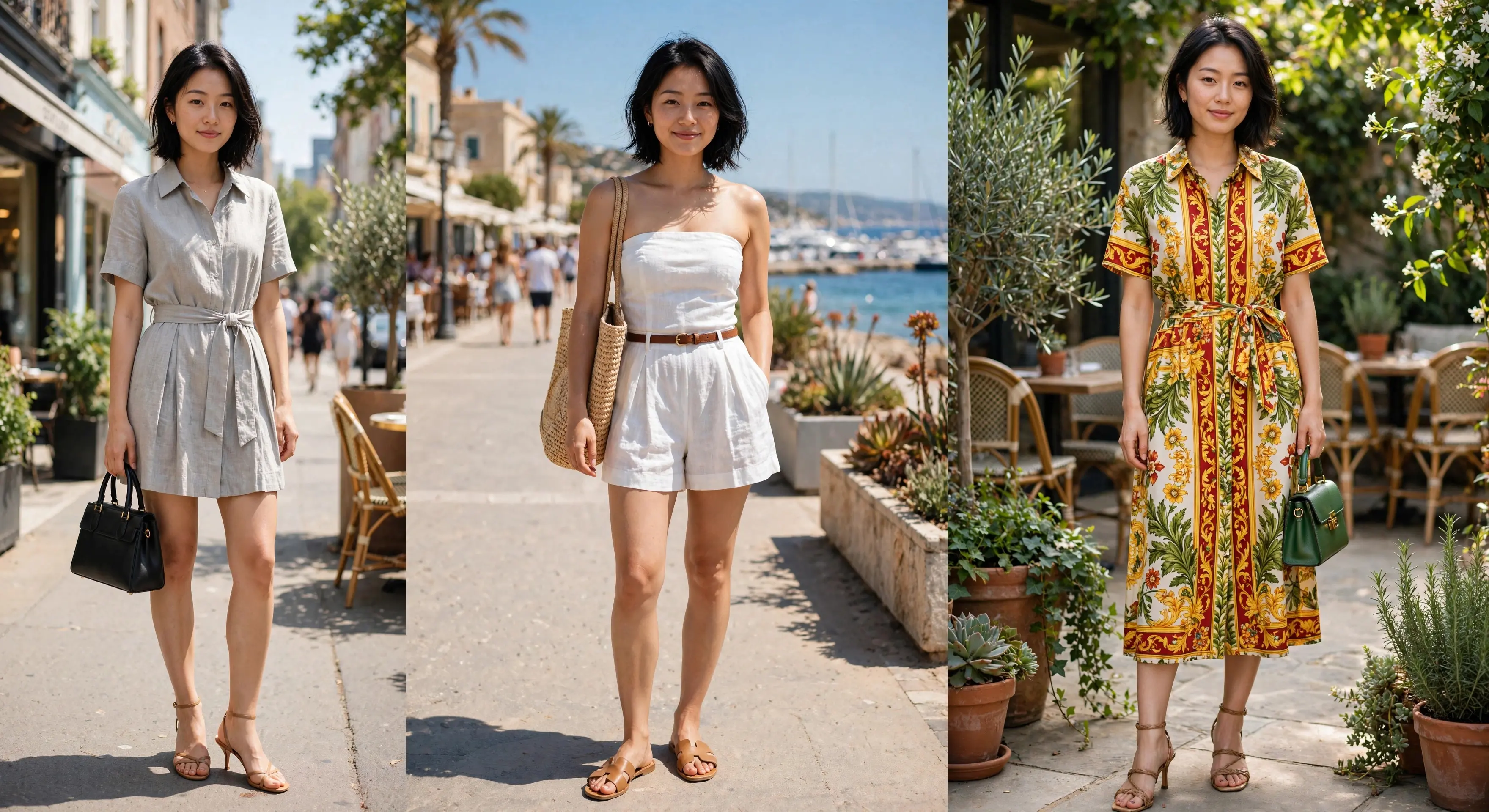
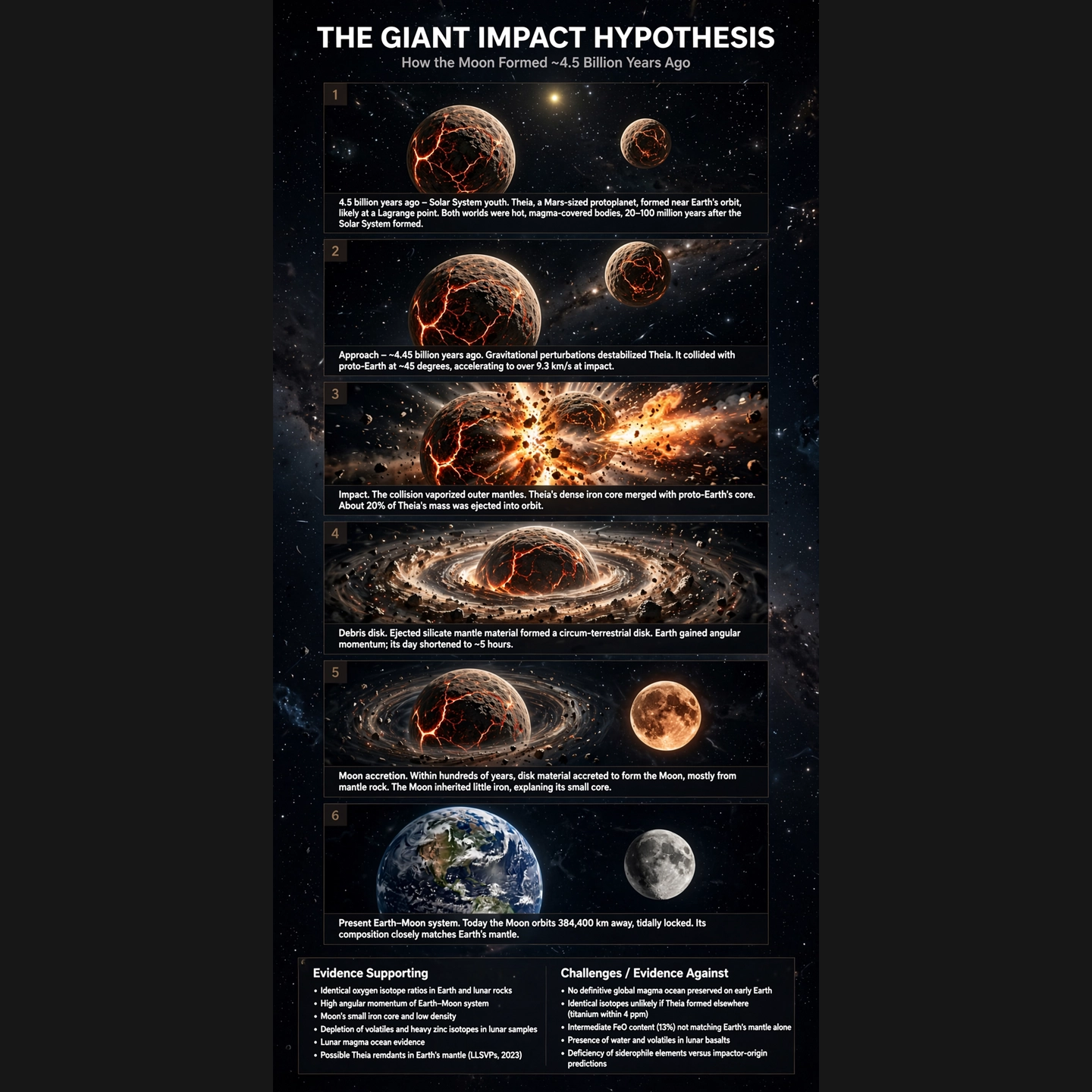
Explore output images and editing examples from Meta AI's Muse Image announcement, including prompt results, tool-assisted scenes, room edits, and multi-reference compositions.
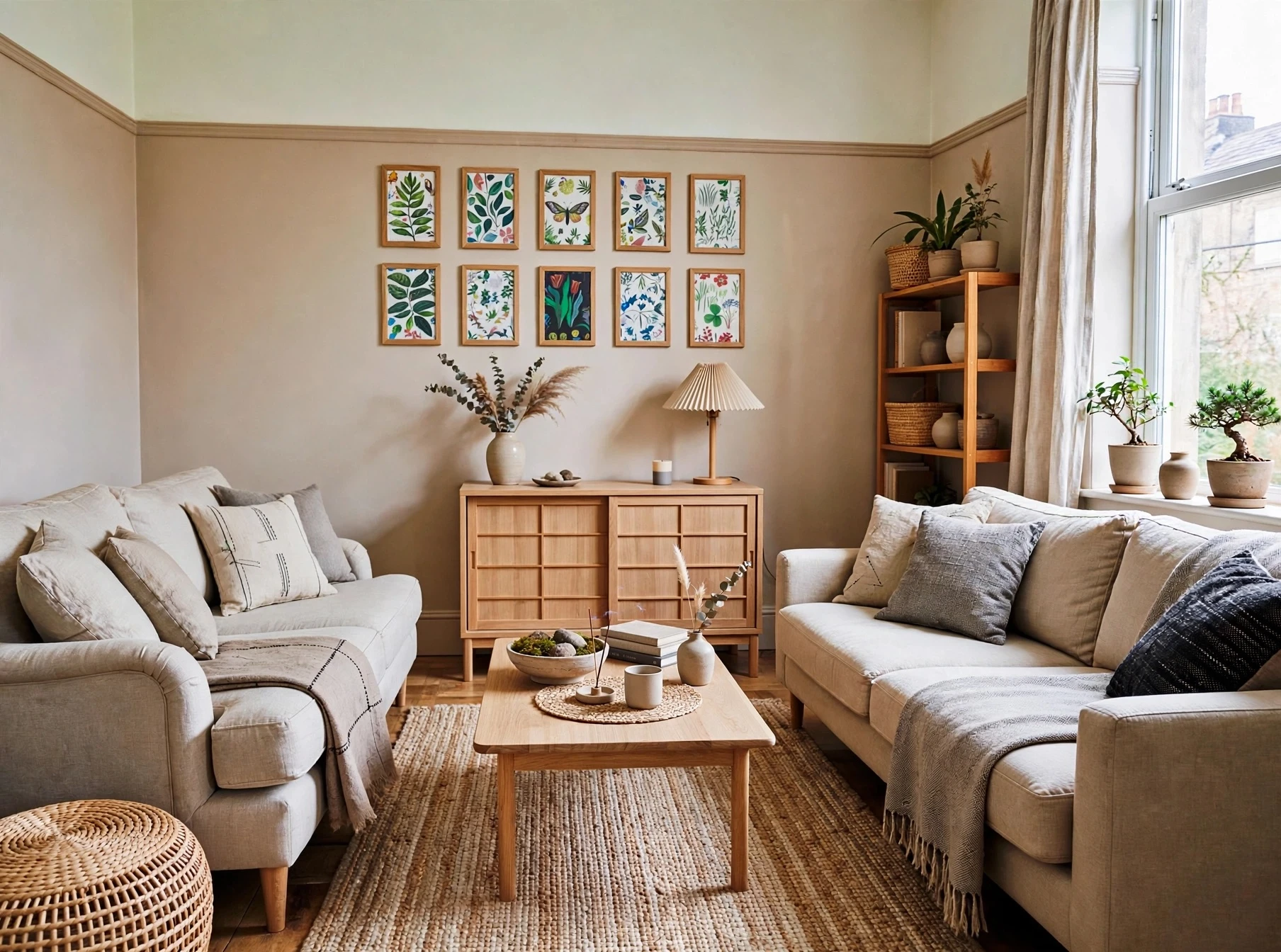
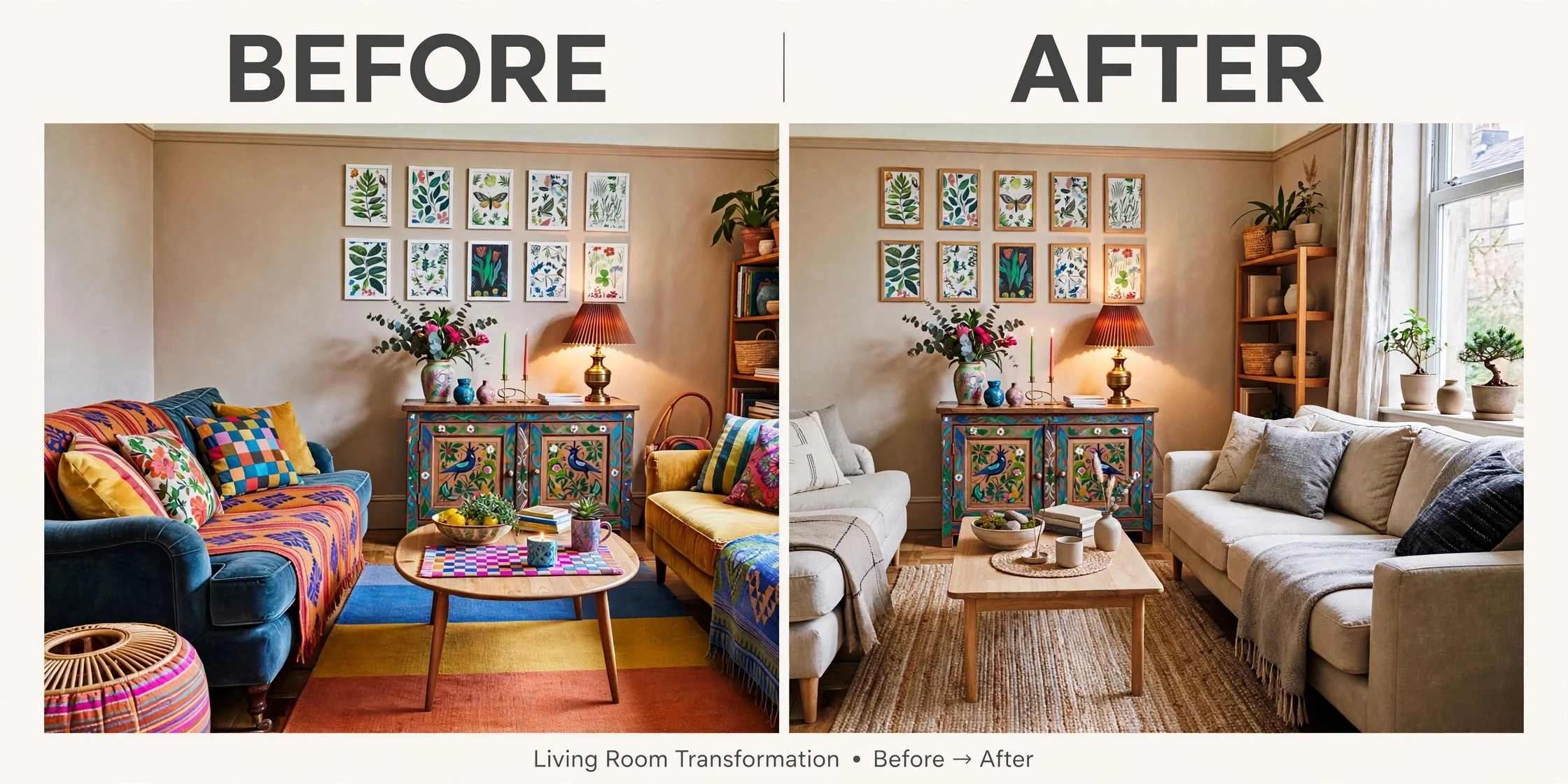
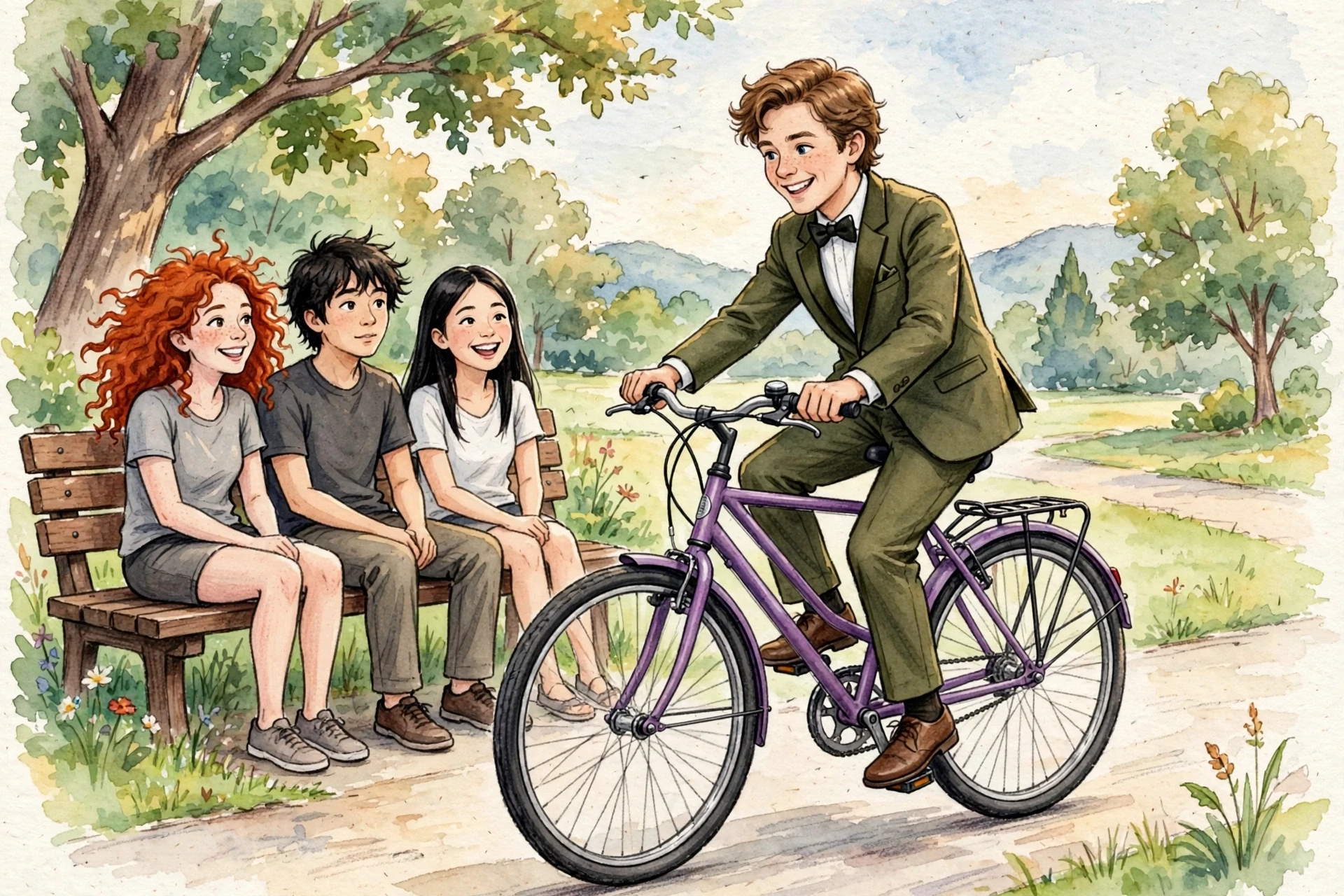
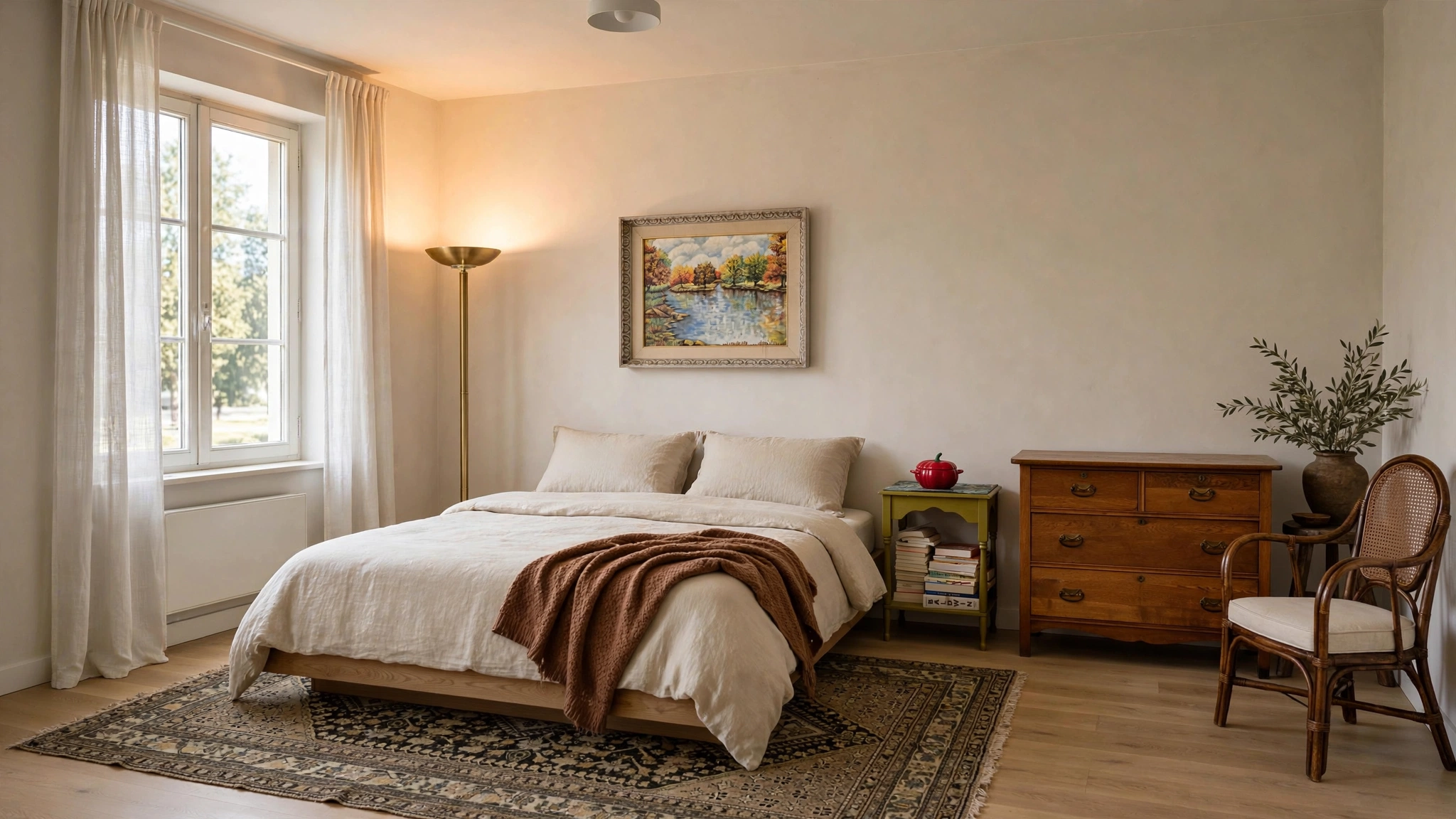
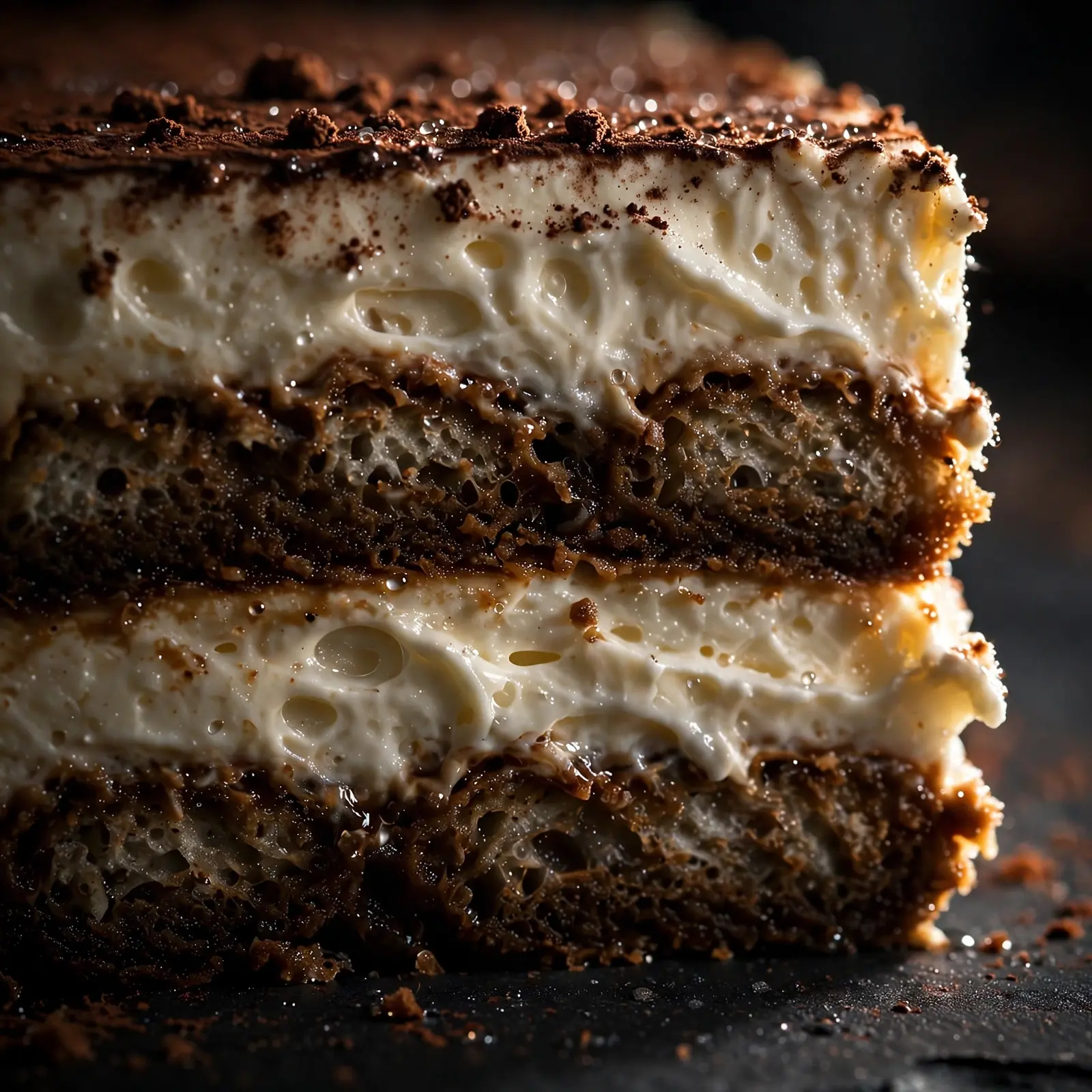
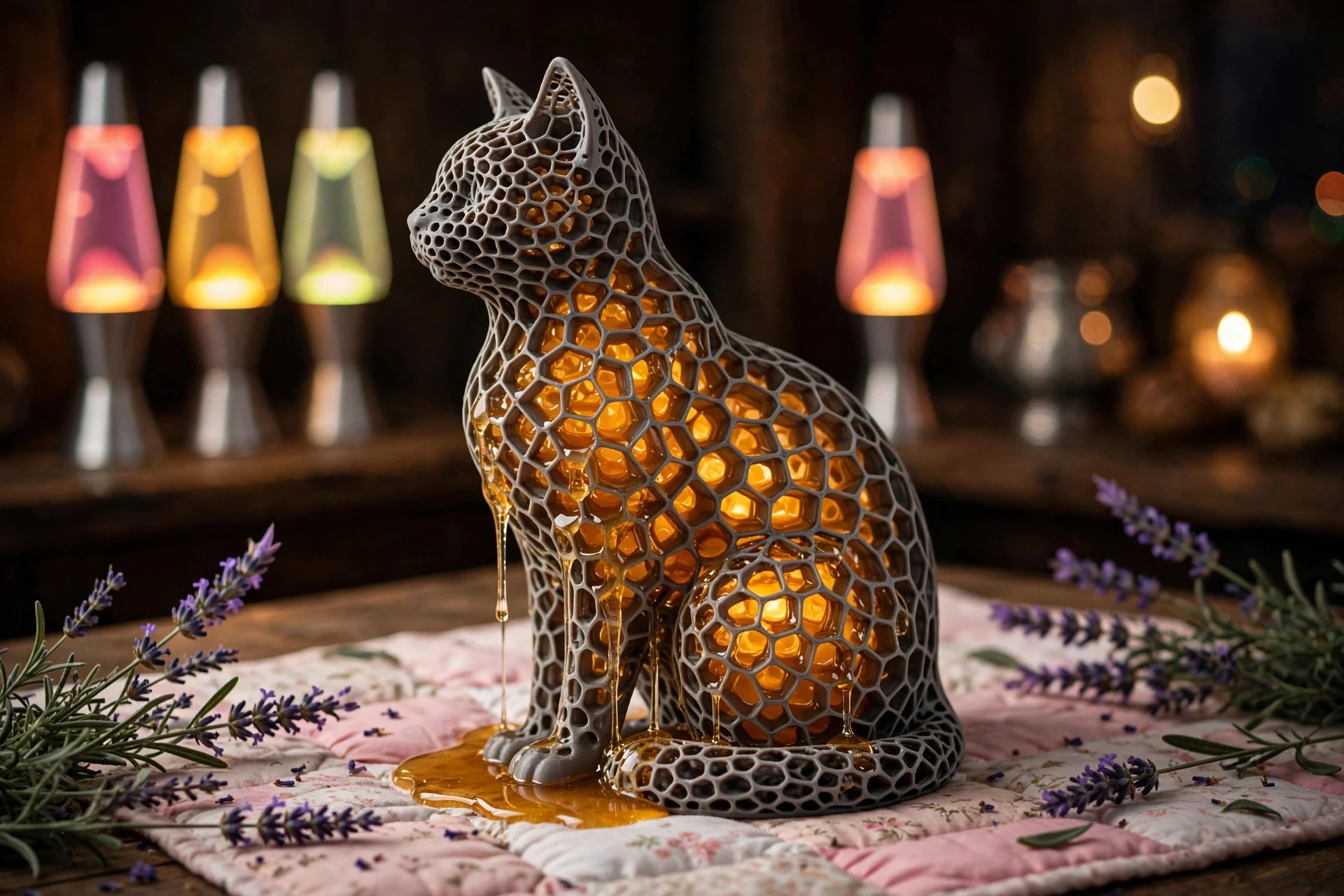
These official research charts are capability signals from Meta's announcement. They explain why Muse Image matters, but they are separate from output examples.
Meta's chart highlights stronger factual, brand, landmark, and identity handling when Muse Image can use search-aware generation.
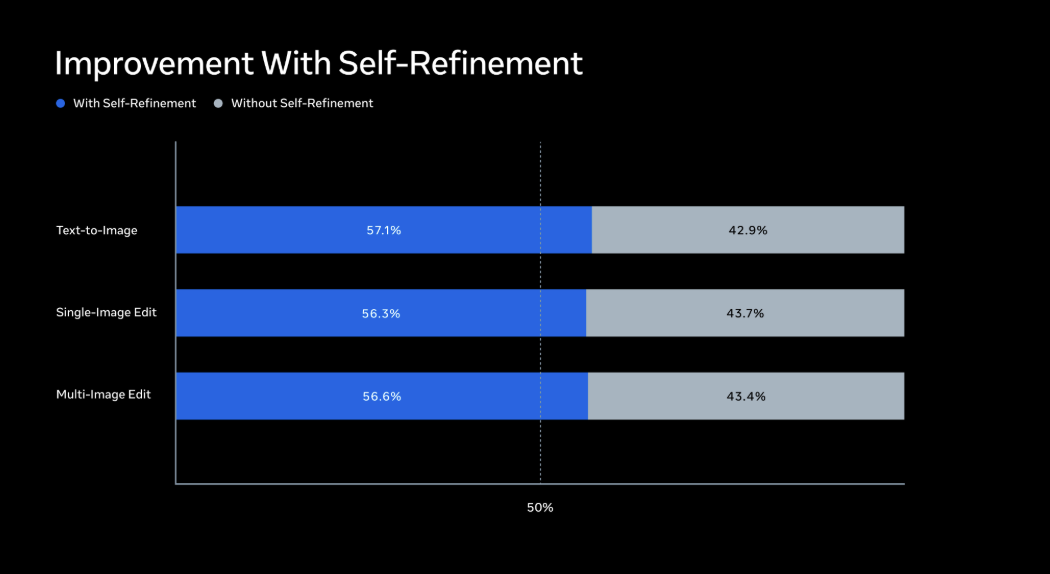
Meta highlights self-refinement as a way for Muse Image to evaluate and improve its own results across text-to-image and editing tasks.
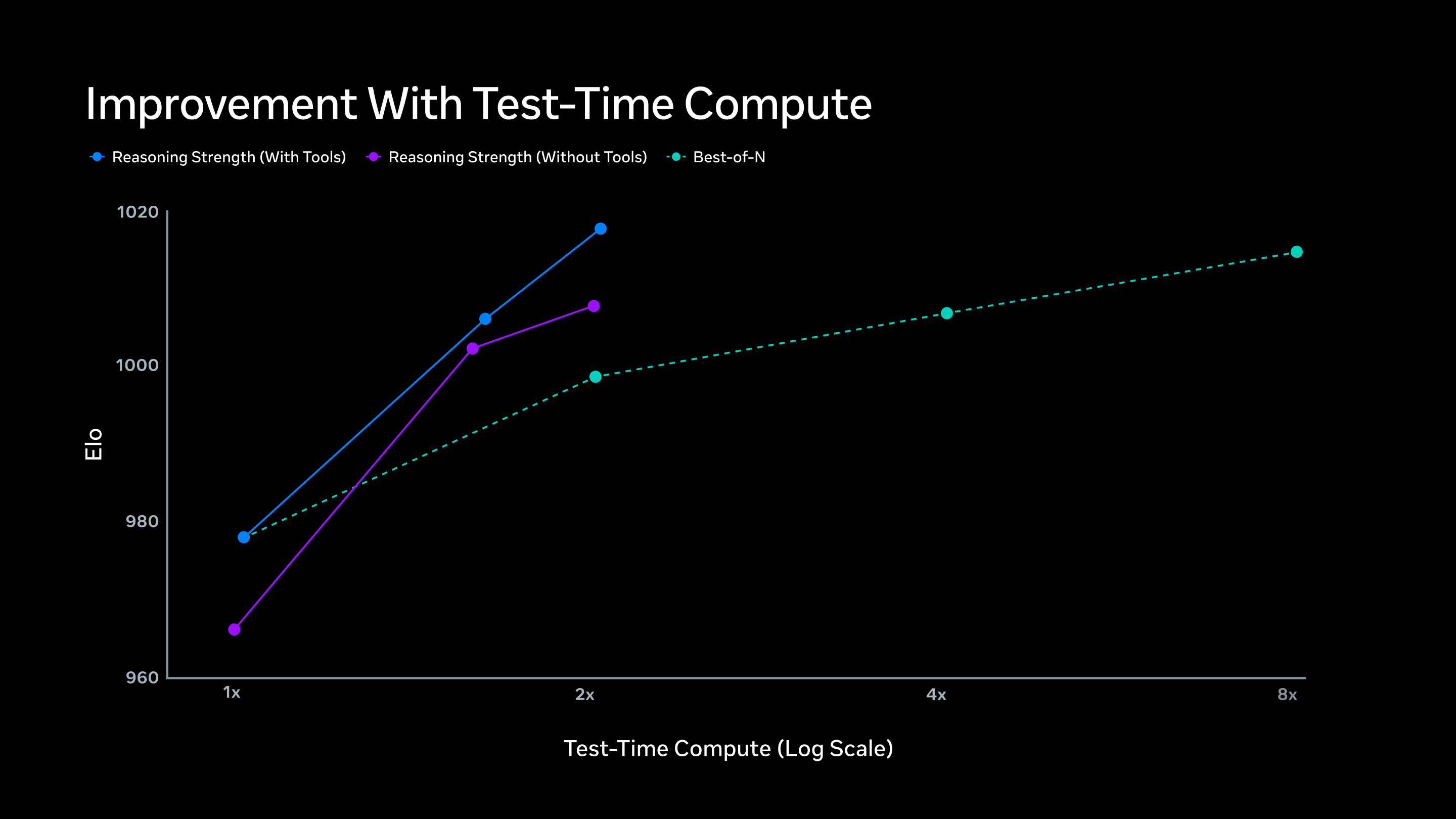
The announcement shows quality gains as inference-time compute increases, positioning Muse Image as a model that can spend more reasoning on harder visual requests.
MuseImageAI is built around the same creative jobs people search for after the Muse Image announcement: prompt-to-image creation, reference-based visuals, and fast iteration.
| Feature | Meta Muse Image | MuseImageAI |
|---|---|---|
| Main experience | Integrated into Meta AI, Instagram, WhatsApp, and Meta social surfaces as availability expands. | A focused web generator for creating one AI image at a time from a prompt and optional references. |
| Creative input | Prompts, photos, social context, sketching, annotation, and suggested presets in supported Meta products. | Prompt-first generation with reference image upload, aspect ratio controls, model settings, and download. |
| Best fit | Social sharing, personalized edits, friend or product context, and Meta AI conversations. | Fast browser-based AI image creation for posts, posters, products, portraits, mockups, and campaign concepts. |
| Workflow | Conversational creation and editing inside Meta's apps. | Single-image generation with a clean control panel, visible settings, result preview, and session history. |
Muse Image AI is Meta's newly announced image generation model from Meta Superintelligence Labs. Meta says it is built for advanced prompt following, reference-based generation, precise editing, social context, and agentic creative workflows.
A Muse Image AI generator takes a written prompt, optional reference images, and format settings, then creates a new image from that creative brief. On MuseImageAI, the workflow is optimized for one image at a time so you can iterate quickly.
Yes. The generator supports reference image upload, so you can guide style, composition, product shape, room context, or the general visual direction of the output.
Yes. Muse Image was announced with social creation in mind, including Instagram and Meta AI experiences. MuseImageAI focuses that demand into a browser workflow for posts, story concepts, profile visuals, posters, and campaign drafts.
Meta highlights precise edits, annotation, and sketch-based image changes as part of the Muse Image experience. MuseImageAI supports prompt and reference-based iteration today, with editing-oriented workflows designed around the same creative intent.
Meta's announcement includes room redesign scenarios that use real-world context and product information. You can use MuseImageAI to draft room concepts by describing the space, mood, furniture, lighting, and references.
Meta describes improved text and layout awareness as part of Muse Image's broader image reasoning. For best results in any AI image generator, keep text short, describe placement clearly, and iterate.
Meta announced Muse Image through its official AI and company news channels, with availability in Meta AI, meta.ai, Instagram Stories in the United States, and WhatsApp in select countries.
You can try MuseImageAI with starter credits after signing up. The generator shows model and credit settings before generation so you can choose the workflow that fits your image.
Use the generator at the top of this page, try reference images, and turn a short creative brief into a polished AI visual.